Dream Unicorn: A Sweet Script Font for Creative Branding
There’s something undeniably charming about a handwritten font that feels like it was scribbled in the margins of a journal. That’s exactly what Dream Unicorn brings to the table—sweet, playful, and just the right amount of whimsy for a brand that wants to feel personal and approachable. I tested Dream Unicorn on a boutique branding project recently, and it quickly became one of my go-to choices for adding character to logos, packaging, and social media assets.
Dream Unicorn for Handmade Shop Branding and Product Packaging
When I first opened the brand board for a local handmade shop, I knew I needed a font that could reflect the charm and authenticity of their products. Dream Unicorn immediately stood out as a perfect fit. Its script style has a soft, flowing quality that feels handcrafted, which is ideal for small businesses looking to build a warm and inviting brand identity.
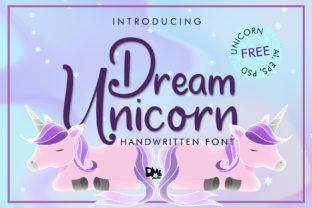
I used Dream Unicorn on the shop’s product labels and packaging mockups, and it worked beautifully. The font’s delicate strokes and gentle curves gave the packaging a sense of elegance without being too formal. It also paired well with the extra Unicorn designs mentioned in the product description, creating a cohesive look that felt both unique and intentional.
One thing I appreciated was how Dream Unicorn handled different sizes and formats. Whether it was printed on a business card or displayed on a website header, the font maintained its readability and visual appeal. It’s not overly ornate, so it doesn’t overwhelm the design, but it still carries enough personality to make the brand stand out.
Dream Unicorn for Social Media Graphics and Brand Identity
Social media is a huge part of modern branding, and I found that Dream Unicorn performed exceptionally well in this space. When I tested it on Instagram posts and Facebook banners, it added a touch of playfulness that resonated with the target audience—a group of young creatives and crafters who value individuality and charm.
The font’s sweet and cute aesthetic made it a natural choice for the brand’s social media visuals. I used it for headlines, captions, and even some decorative elements, and it never felt forced. In fact, it helped create a consistent visual language across all platforms, which is crucial for building brand recognition.
One thing to note is that while Dream Unicorn works well for short phrases and headlines, it’s not ideal for long body text. For that reason, I recommend using it as an accent font or for display purposes rather than as a primary typeface in editorial content or web copy. However, for brand identity work, it’s a versatile and effective choice.
Dream Unicorn for Logo Design and Website Headers
Logo design is where a font can make or break a brand’s visual identity, and Dream Unicorn proved to be a reliable option in this context. I created a few logo drafts using the font, and each time it brought a sense of warmth and approachability to the design. It’s especially useful for brands that want to convey a friendly, creative, or artisanal vibe.
On the website, I used Dream Unicorn for the header and subheadings. It added a nice contrast to the sans serif body text, helping to establish a clear visual hierarchy. The font’s subtle variations in weight and stroke thickness also contributed to a more dynamic and engaging layout.
If you’re working on a website or digital asset, make sure to test Dream Unicorn at different sizes and resolutions. While it looks great on screen, it’s important to ensure that it remains legible when scaled down, especially for mobile users.
Dream Unicorn for Editorial and Commercial Design Assets
Even though Dream Unicorn is primarily a script font, it can also be used effectively in editorial and commercial design projects. I tested it on a flyer for a local art fair and found that it complemented the overall design without overpowering it. Its sweet and gentle nature made it a good match for the event’s theme, which was centered around creativity and community.
For commercial design work, it’s worth considering how Dream Unicorn might interact with other fonts. Pairing it with a clean sans serif font like Montserrat or Lato can help balance its ornate style and improve readability in certain contexts. This kind of font pairing is essential for maintaining a cohesive and professional look across all design assets.
Finally, before using Dream Unicorn in any client work, always check the commercial licensing terms. Depending on the project, you may need to purchase a license that allows for use in print, digital, or merchandise formats. Being aware of these details can save you from potential issues down the line.